 Save
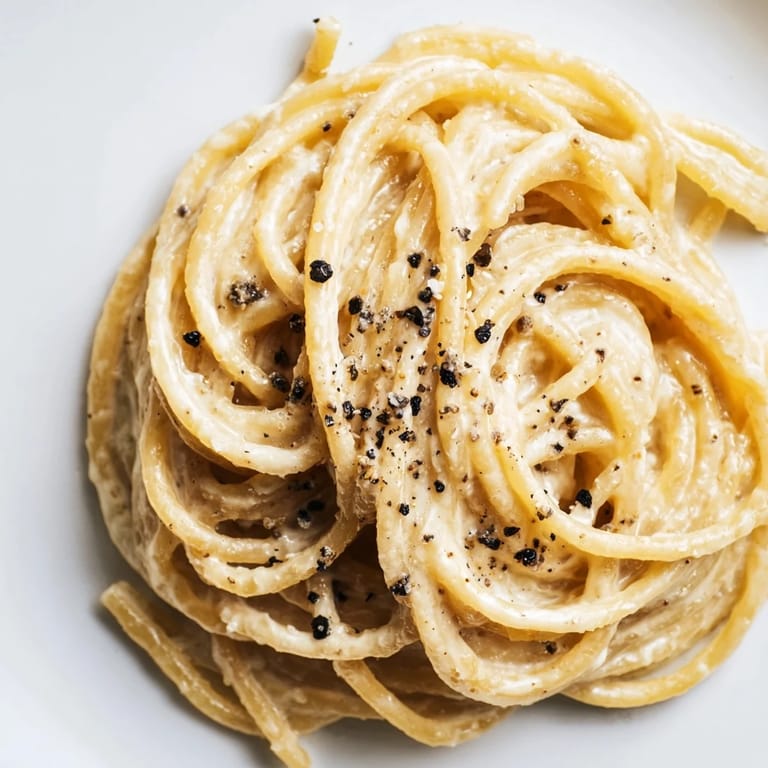
Save The kitchen was too warm, the windows fogged, and I was standing there stirring pasta water into cheese like my life depended on it. My first attempt at cacio e pepe had turned into a clumpy, greasy disaster, and I swore I'd never try again. But something about those four simple ingredients kept pulling me back, like a dare I couldn't ignore. Eventually, I learned to trust the heat, the motion, and the starchy water, and when it finally came together into something silky and golden, I actually laughed out loud. Now it's the dish I make when I want to feel capable again.
I made this for a friend who'd just moved into a new apartment with nothing but a single pot and a wooden spoon. We sat on her floor with bowls in our laps, twirling spaghetti and talking about everything that had changed that year. She said it tasted like something her nonna would make, even though neither of us had ever been to Italy. That night, cacio e pepe stopped being just a recipe and started feeling like a reset button, something you make when you need to remember that good things can be simple.
Ingredients
- Spaghetti (400 g): The long strands are traditional and hold the creamy sauce beautifully, but any long pasta works if that's what you have.
- Pecorino Romano cheese (120 g, finely grated): This is the soul of the dish, sharp and salty, and it must be freshly grated or it won't melt properly into the sauce.
- Freshly cracked black pepper (2 tsp, plus extra): Toasting it in the pan wakes up its flavor and makes the whole kitchen smell like a Roman trattoria.
- Salt: For the pasta water, which should taste like the sea and will become the base of your sauce.
Tired of Takeout? 🥡
Get 10 meals you can make faster than delivery arrives. Seriously.
One email. No spam. Unsubscribe anytime.
Instructions
- Boil the pasta:
- Bring a large pot of salted water to a rolling boil, drop in the spaghetti, and cook until it still has a slight bite. Before you drain it, scoop out a full cup of that starchy, cloudy water, it's liquid gold for your sauce.
- Toast the pepper:
- While the pasta cooks, add the black pepper to a large skillet over low heat and let it sizzle for a minute or two until it smells warm and woody. Don't rush this step, it deepens the flavor in a way that matters.
- Build the base:
- Pour about half a cup of the reserved pasta water into the skillet with the toasted pepper and let it bubble gently. This creates the foundation for everything that comes next.
- Toss the pasta:
- Add the drained spaghetti directly into the skillet and toss it around so every strand gets coated in that peppery, starchy water. The pasta should look glossy and alive.
- Add the cheese:
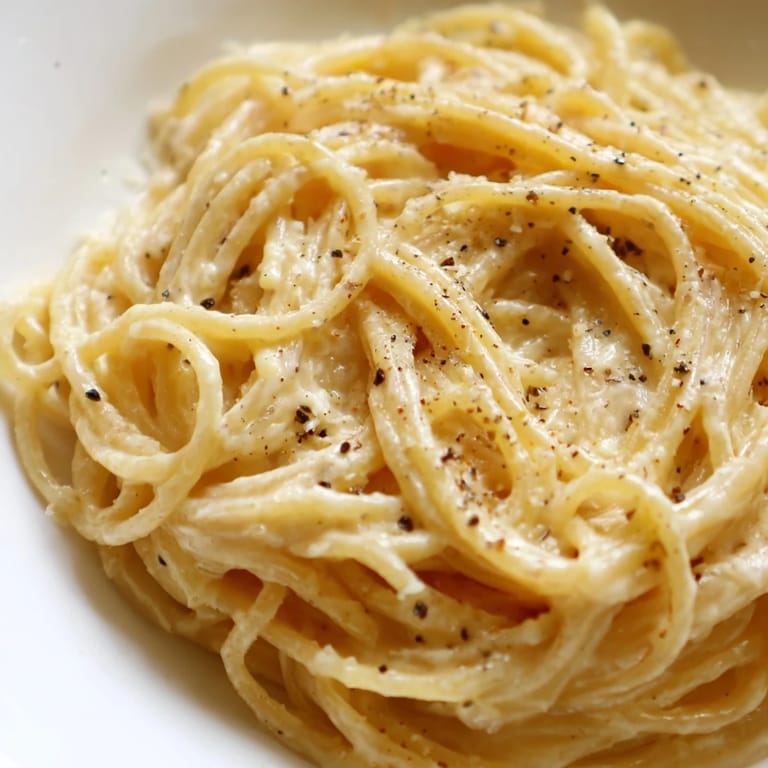
- Turn off the heat and start sprinkling in the grated Pecorino, tossing constantly and vigorously like you're trying to convince it to melt. Add more pasta water a splash at a time until the sauce turns creamy and clings to the noodles without clumping.
- Serve immediately:
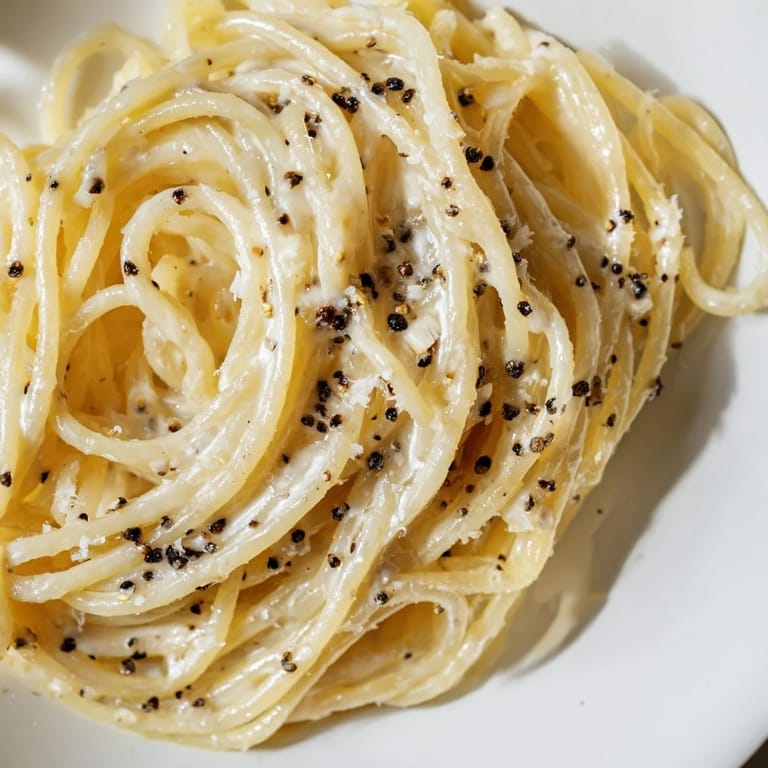
- Plate it up fast, top with extra cheese and a generous crack of black pepper. This dish waits for no one.
 Save
Save There was a night last winter when the power went out and I made this by candlelight, boiling water on the gas stove and grating cheese by feel. My partner held a flashlight over the skillet while I stirred, and we ate it standing up in the kitchen, laughing at how dramatic it all felt. It tasted better than it ever had before, maybe because we were paying attention to every single bite. That's when I realized this dish doesn't need much, just heat, motion, and someone to share it with.
Getting the Texture Right
The sauce should coat the back of a spoon and cling to the pasta without pooling at the bottom of the bowl. If it looks too thick, add another splash of pasta water and toss again. If it's too loose, let it sit for thirty seconds and it will tighten up as it cools. I used to panic and add more cheese, which only made things worse, but now I trust the process and give it time to come together on its own.
Choosing Your Cheese
Pecorino Romano is traditional and brings that sharp, funky saltiness that defines the dish, but if it's too intense for you, swap in Parmigiano Reggiano for something milder and nuttier. I've even done a half and half blend when I'm cooking for someone who's new to bold flavors. Just make sure whatever you use is freshly grated, the pre shredded stuff has anti caking agents that will ruin the sauce. Grate it yourself and you'll taste the difference immediately.
Serving and Pairing
This pasta is rich and salty, so I like to serve it with something bright and crisp on the side, a simple arugula salad with lemon or a chilled white wine like Vermentino. It's a dish that doesn't need much company, but a little acidity cuts through the creaminess and makes you want to keep eating. Sometimes I'll toast extra pepper in a separate pan and let people add as much as they want at the table.
- Serve it in warm bowls so the sauce stays silky.
- Have extra grated Pecorino and a pepper mill on the table for those who want more.
- Leftovers don't reheat well, so make only what you'll eat that night.
 Save
Save This is the kind of recipe that makes you feel like a better cook than you actually are, and I mean that in the best way. It's proof that you don't need a long ingredient list or fancy equipment to make something that tastes like it matters.
Recipe Q&A
- → Why is my cheese clumping instead of creating a creamy sauce?
Clumping occurs when the cheese is added too quickly or the temperature is too high. Add the Pecorino Romano gradually while tossing vigorously, and keep the heat low. The reserved pasta water helps emulsify the cheese—add it slowly as needed for a silky texture.
- → Can I use Parmigiano Reggiano instead of Pecorino Romano?
Yes, Parmigiano Reggiano works well as a substitute, though it will produce a milder, slightly less salty flavor. Pecorino Romano is traditional and delivers the authentic sharp, tangy profile characteristic of this Roman dish.
- → How do I achieve the perfect al dente texture?
Follow the pasta package instructions but begin checking 1-2 minutes before the suggested time. The pasta should be tender but still have a slight firmness when bitten. Remember to reserve the cooking water before draining, as its starch is essential for the sauce.
- → What type of black pepper works best?
Freshly cracked black pepper is essential—pre-ground pepper loses its fragrance and complexity. Use a pepper mill or mortar and pestle to crack whole peppercorns just before cooking. Toast the pepper briefly to intensify its aroma and flavor.
- → Why should the cheese be finely grated?
Finely grated cheese melts smoothly and incorporates evenly into the sauce. Larger pieces take longer to dissolve and are more prone to clumping. Grate fresh Pecorino Romano just before preparing the dish for the best results.
- → What wine pairs well with this dish?
Crisp white wines like Vermentino or Pinot Grigio complement the rich, peppery flavors beautifully. Their acidity cuts through the creamy sauce and enhances the savory notes of the cheese and pepper.