 Save
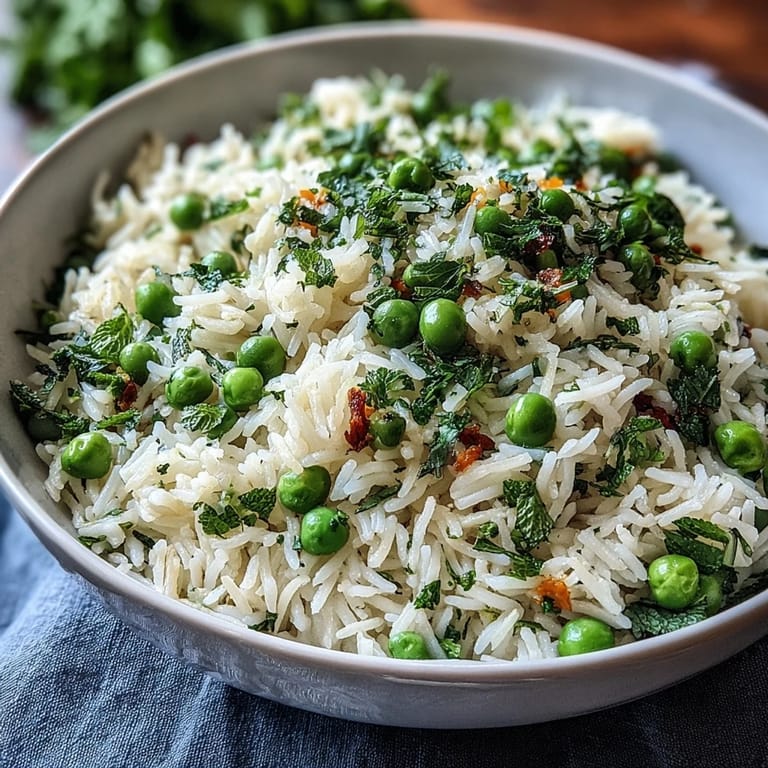
Save My neighbor brought over a bundle of fresh mint from her garden one April afternoon, and I stood in my kitchen wondering what to do with it beyond mojitos. That's when I realized I'd been overlooking mint in savory dishes, especially something as simple and elegant as rice. The first time I stirred that vibrant herb into warm pilaf with bright peas, the kitchen filled with this clean, almost citrusy fragrance that made everything feel like spring had landed on the stovetop. It became my go-to side dish whenever I needed something that felt special but required almost no fussing.
Last Easter, I made this pilaf alongside a spiral ham, and my sister asked for the recipe before dessert arrived. What stuck with me wasn't just that everyone ate it but the moment my nephew, who usually pushed vegetables to the side of his plate, asked for seconds of the peas. Sometimes the best meals are the ones that quietly win people over without any fanfare.
Ingredients
- Long-grain white rice (basmati or jasmine): The grains stay separate and tender, absorbing all the flavors without turning mushy; I rinse mine under cold water first to remove excess starch.
- Low-sodium vegetable broth: This gives you control over the salt level and lets the delicate flavors of mint and peas shine without an overpowering savory backdrop.
- Fresh or frozen spring peas: Either works beautifully; I've used frozen straight from the bag on busy weeknights with no loss of flavor or texture.
- Unsalted butter: Butter is what carries the aromatics into every grain, so don't skip it or substitute with oil if you want that classic pilaf richness.
- Yellow onion and garlic: These create the flavor foundation, and the key is cooking the onion until it turns translucent and sweet before the garlic hits the pan.
- Fresh mint leaves: Fresh matters here because dried mint turns dusty and doesn't give you that garden-bright moment; chop it right before stirring it in.
- Lemon zest and juice: The zest adds brightness that makes everything taste fresher, while lemon wedges on the side let people adjust the tang to their preference.
- Salt and black pepper: Taste as you go because the broth already has some sodium, and you're building flavor in layers, not all at once.
Tired of Takeout? 🥡
Get 10 meals you can make faster than delivery arrives. Seriously.
One email. No spam. Unsubscribe anytime.
Instructions
- Start with clean rice:
- Rinse the rice under cold water, stirring gently with your fingers until the water runs clear. This step removes starch that would otherwise make the grains stick together.
- Build the aromatic base:
- Melt butter in your saucepan over medium heat, then add the chopped onion and let it soften for a couple minutes until it becomes translucent and smells sweet. Stir in the garlic for just 30 seconds so it perfumes the butter without burning.
- Toast the rice:
- Add the rinsed rice to the pan and stir for a minute or so, coating each grain with the buttery aromatics. You'll hear a gentle rattling sound and notice the rice turning slightly translucent at the edges, which means it's ready for the broth.
- Simmer gently:
- Pour in the broth, add salt and pepper, then bring everything to a boil before reducing to low heat and covering. The rice needs 15 uninterrupted minutes to absorb the liquid and become tender.
- Add the peas at the right moment:
- After 15 minutes, stir in the peas (frozen or fresh) and cover again for 5 more minutes. This timing ensures the peas stay bright and slightly firm instead of turning into mush.
- Let it rest and fluff:
- Turn off the heat and let the covered pan sit for 5 minutes, which allows the rice to finish cooking in its own steam and keeps it from drying out. Use a fork to fluff gently, breaking up any clumps.
- Finish with fresh herbs:
- Stir in the chopped mint, parsley if using, and lemon zest right after fluffing. Taste and adjust the salt and pepper, then serve warm with lemon wedges on the side.
 Save
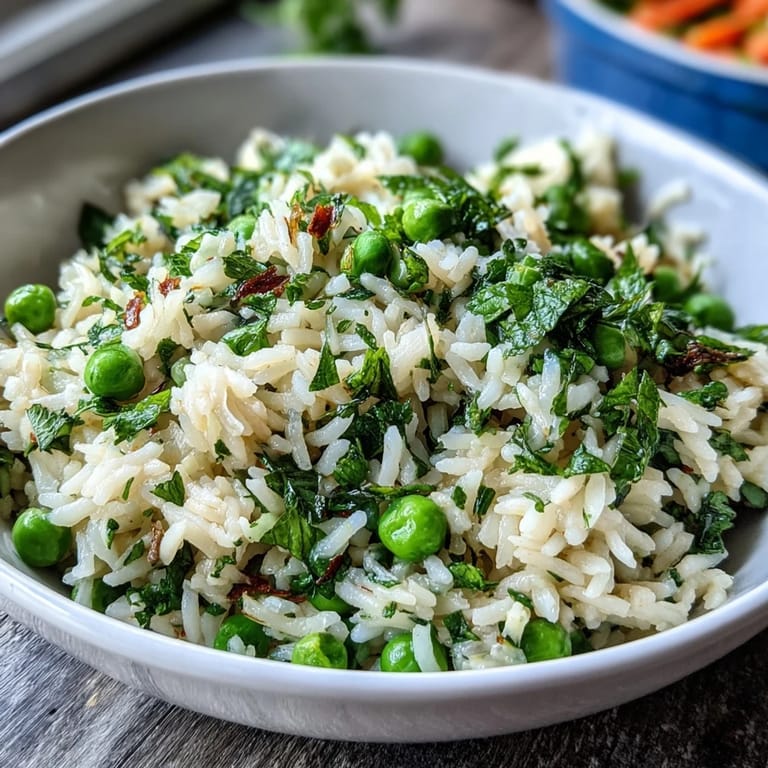
Save There's a quiet satisfaction in watching someone taste this pilaf and visibly brighten as the mint and lemon hit their palate. It's proof that the simplest dishes, made with intention and a little bit of care, often become the ones people remember.
Why This Pilaf Beats Ordinary Rice
Most rice side dishes fade into the background of a meal, but this one holds its own. The peas add natural sweetness and color, the mint transforms it from a simple carb into something that tastes like you spent hours on it, and the lemon zest gives everything a lift that makes people lean in for another bite. I've served this alongside roasted chicken, baked ham, and even grilled vegetables, and it works with all of them because it doesn't try to overshadow the main dish but rather complements it like a good friend.
Make Ahead and Storage
This pilaf holds up beautifully if you need to prepare it in advance, which makes it perfect for weeknight dinners or casual entertaining. Refrigerate it in a covered container for up to two days, then gently reheat over low heat with a splash of broth to restore the tender texture. The mint stays fresher if you add it right before reheating rather than before storing, so keep that step until the end.
Small Tweaks That Change Everything
Once you've made this a few times, you'll start seeing where your own preferences fit in. Some people love the richness of half butter and half olive oil, while others swear that adding a handful of chopped scallions or fresh chives alongside the mint gives them an herbal depth they can't stop thinking about. The recipe is flexible enough to welcome your favorite touches without losing its essential charm.
- Swap half the butter for good olive oil if you want a lighter version that still feels luxurious.
- Stir in a handful of toasted pine nuts or chopped walnuts right after fluffing for textural contrast.
- A tiny pinch of nutmeg, added when you're stirring in the peas, brings a subtle warmth that makes people ask what that secret ingredient is.
 Save
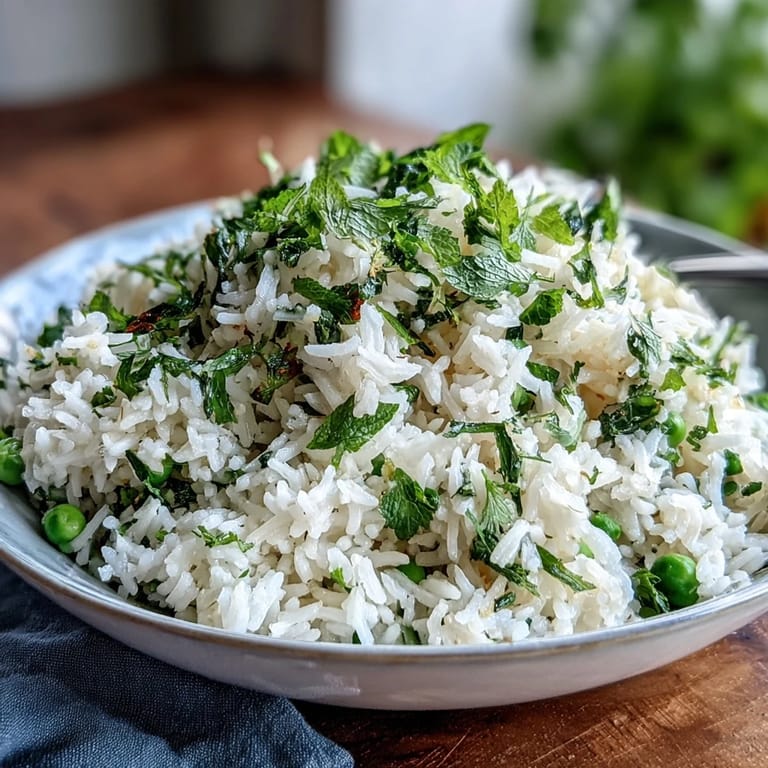
Save This pilaf reminds me that the best recipes aren't the ones with the longest ingredient lists but the ones that let a few quality ingredients shine together. Make it once, and you'll find yourself making it again and again.
Recipe Q&A
- → Can I use frozen peas in this pilaf?
Yes, frozen peas can be added directly from the freezer during the last few minutes of cooking to retain their sweetness and texture.
- → What type of rice works best for this dish?
Long-grain white rice such as basmati or jasmine works best, providing fluffy, separate grains in the pilaf.
- → How do I make this dish vegan-friendly?
Substitute the butter with plant-based butter or olive oil to keep it rich and flavorful without dairy.
- → Can I prepare this pilaf ahead of time?
Yes, you can make it ahead and gently reheat with a splash of broth to restore moisture.
- → What herbs enhance the flavor beyond mint?
Adding fresh parsley or chopped scallions can provide additional herbal depth and brightness.