 Save
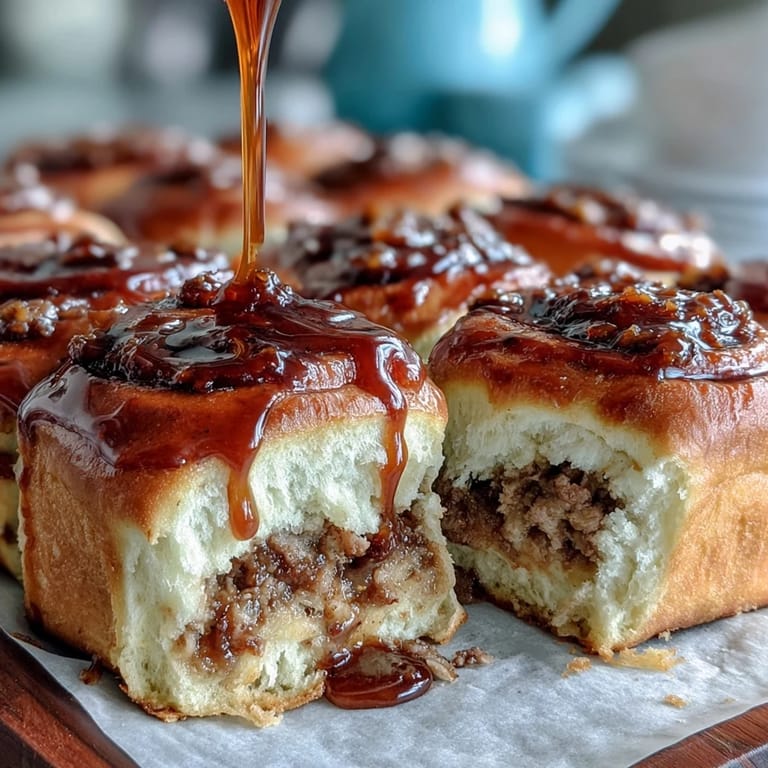
Save My kitchen smelled like a citrus grove last winter when my neighbor dropped off a bag of perfect oranges from her tree, and I suddenly had to find something worthy of using them all. These overnight orange rolls came together almost by accident—I was trying to solve the problem of wanting fresh rolls without waking up at dawn, and somehow orange zest became the answer that made everything click. The dough rises while you sleep, the filling perfumes your kitchen with brightness, and by morning you're just twenty-five minutes away from something that tastes far too good to be this easy.
I made these for my sister's birthday breakfast once, and she walked into my kitchen while they were baking—the smell hit her so hard she actually stopped talking mid-sentence. That's when I knew these rolls were something special, not just technically successful but genuinely moving in the way only warm bread and citrus can be.
Ingredients
- All-purpose flour (3 1/2 cups): This is your structural backbone, and measuring by weight rather than cups really does make a difference in consistency.
- Granulated sugar (1/4 cup): Just enough to feed the yeast and add subtle sweetness without making these taste like dessert.
- Instant dry yeast (2 1/4 tsp): The magic ingredient—make sure yours isn't expired or you'll wonder why nothing is rising.
- Salt (1/2 tsp): Don't skip this; it makes every other flavor sing and keeps the dough from tasting flat.
- Whole milk, lukewarm (3/4 cup): Temperature matters more than you'd think—too hot kills the yeast, too cold and it won't activate properly.
- Unsalted butter, melted (1/4 cup for dough): The tenderness of these rolls comes straight from butter, so don't substitute with oil.
- Large eggs, room temperature (2): They blend smoothly into warm dough and add richness that makes the crumb tender.
- Orange zest from 2 large oranges: This is where the magic lives—use a microplane and zest generously, because citrus flavor fades as these bake.
- Softened butter for filling (1/4 cup): Soft enough to spread easily but not melted, or it'll soak into the dough unevenly.
- Granulated sugar for filling (1/2 cup): Combined with butter and zest, this creates those ribbons of flavor throughout.
- Orange zest for filling (1 large orange): Fresh zest again—don't use the zest from the same oranges as the dough or you'll run out.
- Powdered sugar for glaze (1 cup): Whisk it carefully so lumps don't create a grainy finish on top.
- Fresh orange juice (2-3 tbsp): The acid balances sweetness and makes the glaze both glossy and bright.
- Orange zest for glaze (1 tsp): A final hit of citrus that reminds you why you made these in the first place.
Tired of Takeout? 🥡
Get 10 meals you can make faster than delivery arrives. Seriously.
One email. No spam. Unsubscribe anytime.
Instructions
- Combine your dry ingredients:
- Whisk flour, sugar, yeast, and salt together in a large bowl—this distributes the yeast evenly so you don't end up with dead spots in your dough. It only takes a minute but it matters.
- Prepare the wet mixture:
- Warm your milk to about 110°F (you want it warm to the touch but not hot), then combine it with melted butter, eggs, and that precious orange zest. Whisk it together until everything is evenly mixed and the zest is distributed.
- Bring dough together:
- Pour the wet ingredients into the dry mixture and stir until a shaggy, sticky dough forms—don't worry if it looks rough and uncooperative at this stage. That's exactly what you want.
- Knead until smooth:
- By hand or with a stand mixer, knead for 7-8 minutes until the dough becomes smooth, elastic, and only slightly tacky to the touch. You'll feel the transformation happen under your hands or in the bowl.
- First rise:
- Place dough in a greased bowl, cover loosely with plastic wrap, and let it sit in a warm spot for 1-2 hours until it's roughly doubled. A warm kitchen corner, your oven with the light on, or even a turned-off microwave all work beautifully.
- Roll out your rectangle:
- Punch down the risen dough and roll it out on a lightly floured surface to roughly 10 by 16 inches. Use your rolling pin gently and flip the dough occasionally so it stretches evenly.
- Apply the filling:
- Spread softened butter across the entire surface of your dough rectangle, then sprinkle the sugar and orange zest evenly over top. You want that citrus flavor in every roll, so don't be shy.
- Roll and cut:
- Starting from the longer edge, roll the dough up tightly into a log, then cut it into 12 even pieces using a sharp knife or even dental floss (floss works surprisingly well and doesn't compress the dough). A serrated knife works too if you use a gentle sawing motion.
- Arrange for overnight rise:
- Place rolls cut-side up in a greased 9 by 13-inch baking dish, cover tightly with plastic wrap, and refrigerate overnight or up to 16 hours. The cold slow rise develops flavor and makes them even more tender.
- Morning proof:
- Remove rolls from the fridge and let them sit at room temperature for 45-60 minutes until they're noticeably puffy and risen. They won't quite double in size like a typical second rise, but they'll become soft and pillowy.
- Bake:
- Preheat your oven to 350°F, then bake the rolls for 22-25 minutes until the tops turn golden brown and the edges pull slightly away from the dish. The aroma at this point is almost overwhelming in the best way.
- Make the glaze:
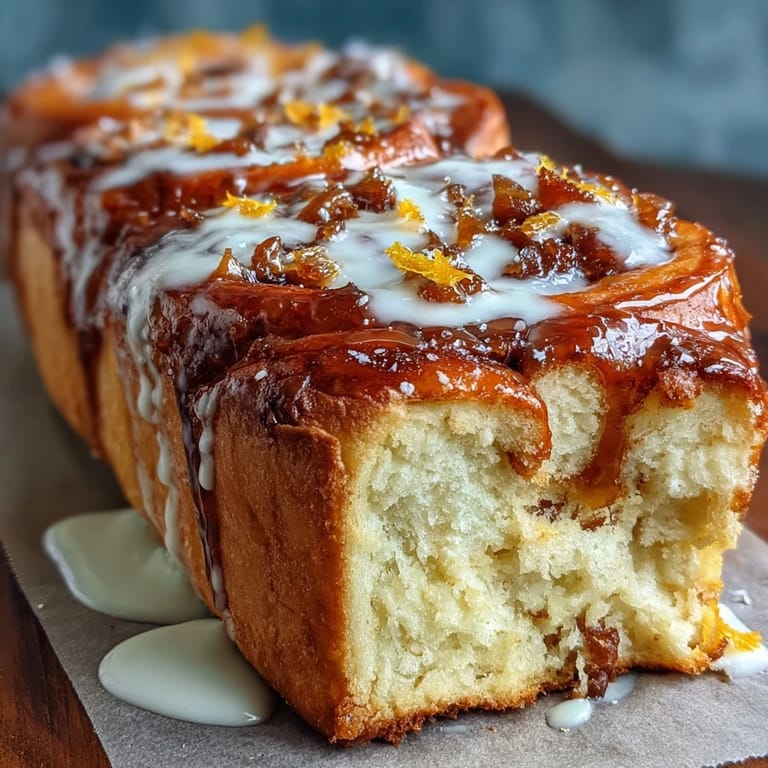
- While rolls bake, whisk together powdered sugar, fresh orange juice, and zest until smooth and pourable. Aim for a consistency that flows easily but still clings to the rolls.
- Finish:
- Drizzle the warm glaze generously over hot rolls straight from the oven and let it set for a few minutes before serving. The warmth of the rolls helps the glaze set into a light coating.
 Save
Save My daughter once asked why I was making these instead of just buying them at the bakery, and I realized I couldn't explain it in practical terms—it's not faster, it's not cheaper, but it's everything that a bakery roll isn't: made in my kitchen, infused with citrus from someone I know, tasting exactly the way I want it to. That's when these rolls stopped being just breakfast and became something I make because I want people to taste what care tastes like.
Why This Recipe Became My Favorite
These rolls fit into life in a way that fussy recipes never do. You're not fighting against the clock or worrying about timing—you simply prep the night before and wake up to the smell of citrus and yeast. There's something almost meditative about a recipe that respects your schedule instead of demanding your constant attention.
The Orange Zest Secret
I learned quickly that one orange zest isn't nearly enough for these rolls—you need it in the dough, in the filling, and in the glaze for the flavor to really sing. The first time I made them with just one shared orange, the result was beautiful but somehow flat-tasting, like the promise of flavor without the delivery. Now I plan for three oranges minimum, and the difference is profound.
Making Them Your Own
The beauty of overnight rolls is that you can shift flavors completely while keeping the same formula—lemon zest and poppy seeds, cinnamon and brown sugar, even a subtle cardamom note work brilliantly here. Once you understand how the basic dough behaves, you can confidently experiment without worrying you'll ruin breakfast.
- For extra richness, replace half the milk with fresh orange juice and the dough becomes even more tender.
- A pinch of cardamom added to the filling creates an unexpected elegance that guests will notice but not quite name.
- These pair perfectly with strong coffee or Earl Grey tea, which is the only way I'll serve them.
 Save
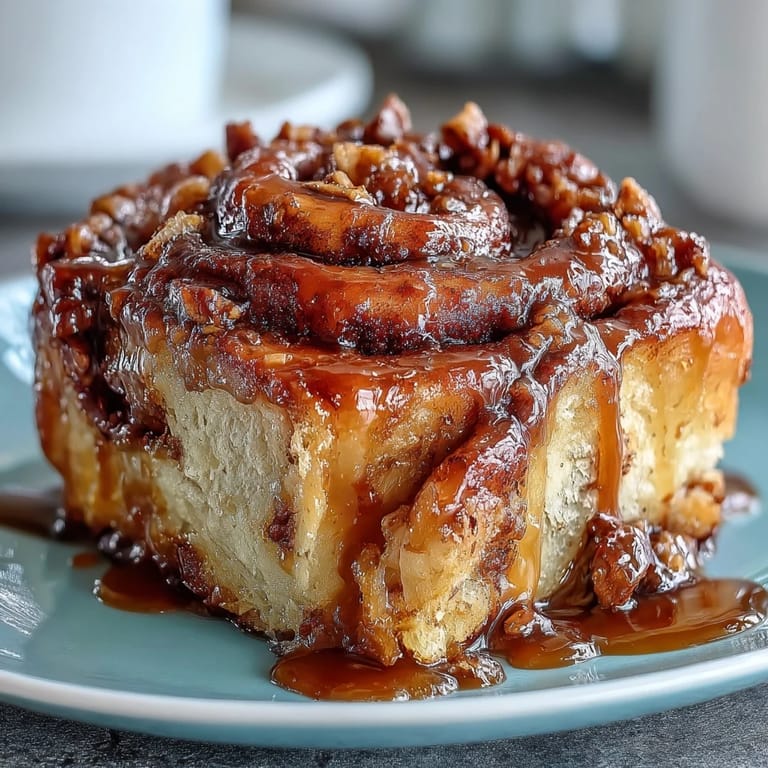
Save There's something genuinely life-changing about pulling a tray of these rolls from the oven and knowing you made them start to finish. Serve them warm, watch people's faces when they bite through the glaze into that citrus-perfumed crumb, and remember that the best recipes are the ones that make ordinary mornings feel special.
Recipe Q&A
- → How does refrigerating overnight affect the dough?
Chilling the dough overnight slows fermentation, enhancing flavor depth and texture while making rolling easier in the morning.
- → Can I substitute ingredients for dietary needs?
Whole milk can be replaced with plant-based alternatives, though texture may vary. Butter substitutes may affect richness.
- → What is the best way to zest oranges?
Use a microplane or fine grater to remove only the colored part of the peel, avoiding the bitter white pith beneath.
- → How to ensure rolls bake evenly?
Arrange rolls evenly in a greased dish, leaving little space between to allow for rising. Bake at a consistent temperature until golden.
- → Can I add spices to enhance flavor?
Adding a pinch of cardamom or cinnamon to the filling complements the citrus notes beautifully without overpowering.