 Save
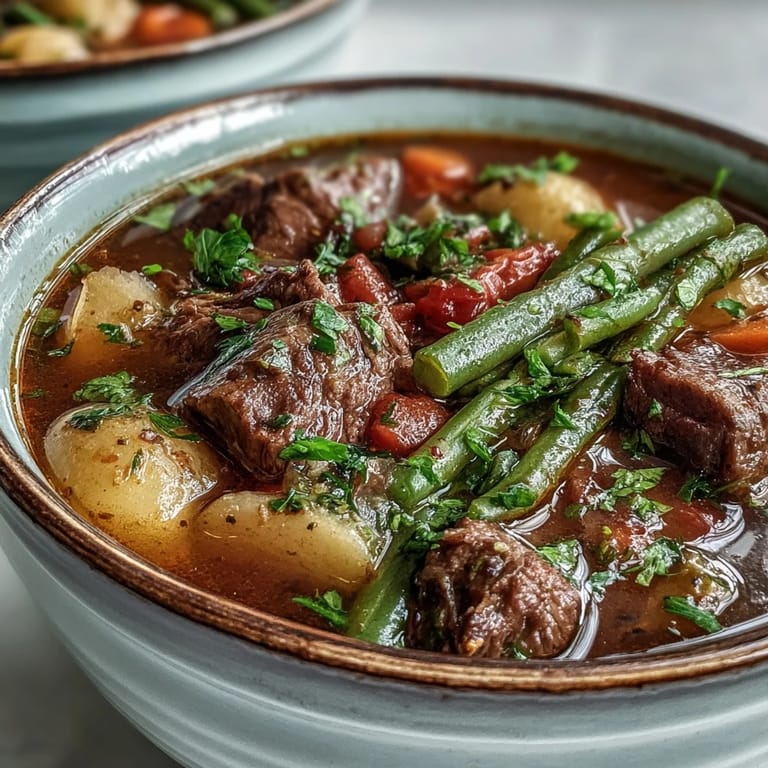
Save My neighbor stopped by on a gray afternoon with her kids, and I had almost nothing prepared except a pile of vegetables and some beef chuck in the freezer. Instead of panicking, I threw together this soup, and by the time it finished simmering, the whole house smelled like a proper home. What started as improvisation became something I make whenever the weather turns cold or someone needs comfort in a bowl.
I made this for a friend going through a rough patch, and she called me three days later saying she'd had it for lunch again and it genuinely made her day better. That's when I realized this wasn't just soup—it was the kind of thing you make when you want someone to feel cared for without saying it out loud.
Ingredients
- Beef chuck (1.5 lbs, cut into 1-inch cubes): Chuck has enough marbling to stay juicy during the long simmer, and the collagen breaks down into gelatin that makes the broth silky.
- Olive oil (2 tbsp): Just enough to get a good sear on the beef without making the soup greasy.
- Onion, garlic, carrots, and celery: This aromatic base is where the soup's flavor foundation lives—don't rush the sautéing.
- Potatoes and parsnip: The parsnip adds a subtle sweetness that balances the savory beef and herbs, though it's forgiving to leave out.
- Green beans and peas: Add them at different times so the peas stay bright and tender instead of turning to mush.
- Diced tomatoes (canned, with juice): The acidity brightens everything and prevents the soup from tasting one-note.
- Beef broth (8 cups): Use good quality broth—it's not just a supporting player, it carries the entire flavor profile.
- Bay leaves, thyme, oregano, salt, and pepper: These herbs layer in a warmth that makes you want another spoonful before the first one is even swallowed.
Tired of Takeout? 🥡
Get 10 meals you can make faster than delivery arrives. Seriously.
One email. No spam. Unsubscribe anytime.
Instructions
- Brown the beef first:
- Heat oil until it shimmers, then work in batches so you actually get color on the meat instead of steaming it. You'll hear a satisfying sizzle when you do it right.
- Build the aromatic base:
- Sauté the onion, carrot, and celery until the onion turns translucent and the kitchen smells alive. Add garlic at the end so it doesn't burn and turn bitter.
- Combine everything:
- Return the beef, add all the vegetables, tomatoes, broth, and seasonings at once. The herbs need time to infuse, so don't skip this combination step.
- Let it simmer low and slow:
- Cover and cook for about an hour and fifteen minutes until the beef is fork-tender and the flavors have married. Stir occasionally so nothing sticks to the bottom.
- Finish with the delicate vegetables:
- Add the peas in the last ten to fifteen minutes so they keep their bright color and slight firmness. Taste and adjust salt and pepper—this is your moment to make it exactly right.
- Serve with intention:
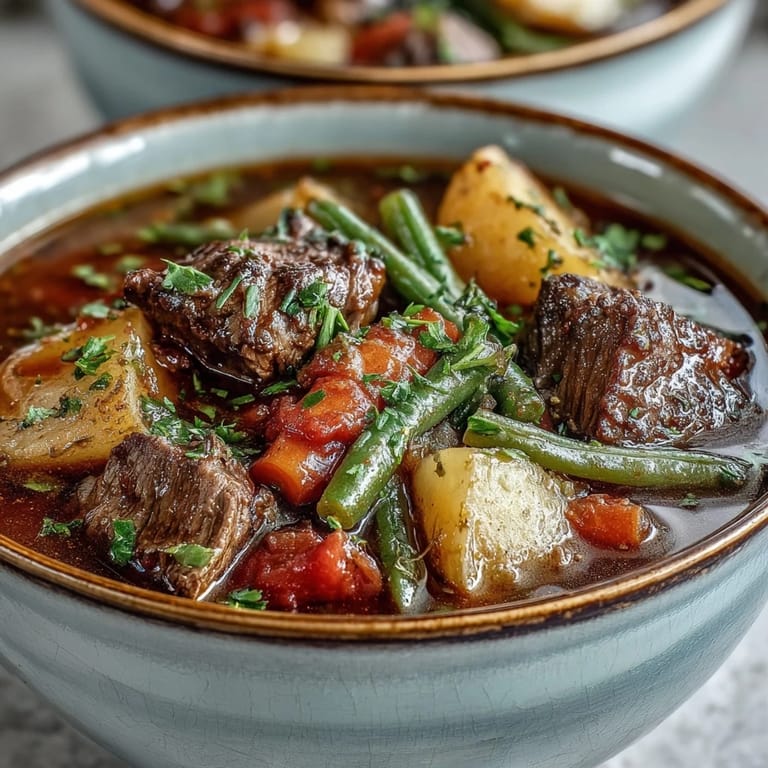
- Remove the bay leaves, ladle into bowls, and finish with fresh parsley for a pop of color and freshness.
 Save
Save  Save
Save There's something about watching someone taste this soup for the first time and seeing their whole face relax. It's the kind of food that makes people slow down and actually enjoy their lunch instead of rushing through it.
Why This Soup Stays in Rotation
Beef and vegetable soup is the kind of recipe that works whether you're feeding a crowd or just yourself on a Tuesday night. It's forgiving enough that minor substitutions don't derail the whole thing, yet it's intentional enough that it never feels thrown together.
Customizing Your Bowl
I've made this with sweet potatoes instead of russets, added a parsnip one time and left it out another, and it's honestly been good every way. The core of beef, aromatics, and herbs is strong enough that it holds up to whatever vegetables you have on hand.
Storage and Serving Ideas
This soup keeps for four days refrigerated and actually improves as it sits because all the flavors deepen and blend together. Freeze it in portions if you want to grab a quick meal on a random Thursday, and it reheats beautifully on the stovetop or in the microwave.
- Serve with crusty bread for soaking up every last drop of broth.
- A dollop of sour cream or a sprinkle of sharp cheddar on top adds richness if you want to dress it up.
- Make a double batch on Sunday and you've got lunches sorted for most of the week.
 Save
Save 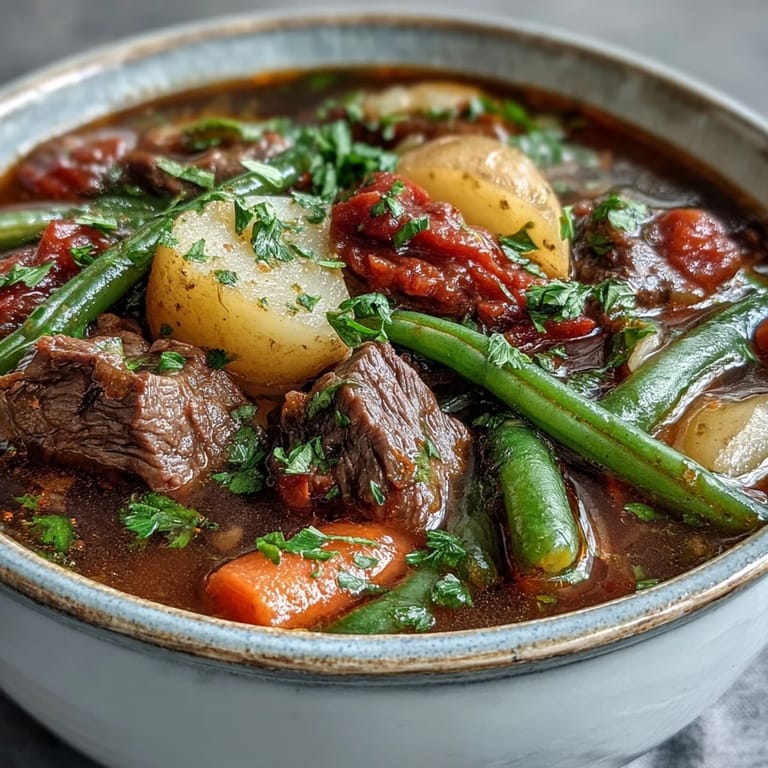 Save
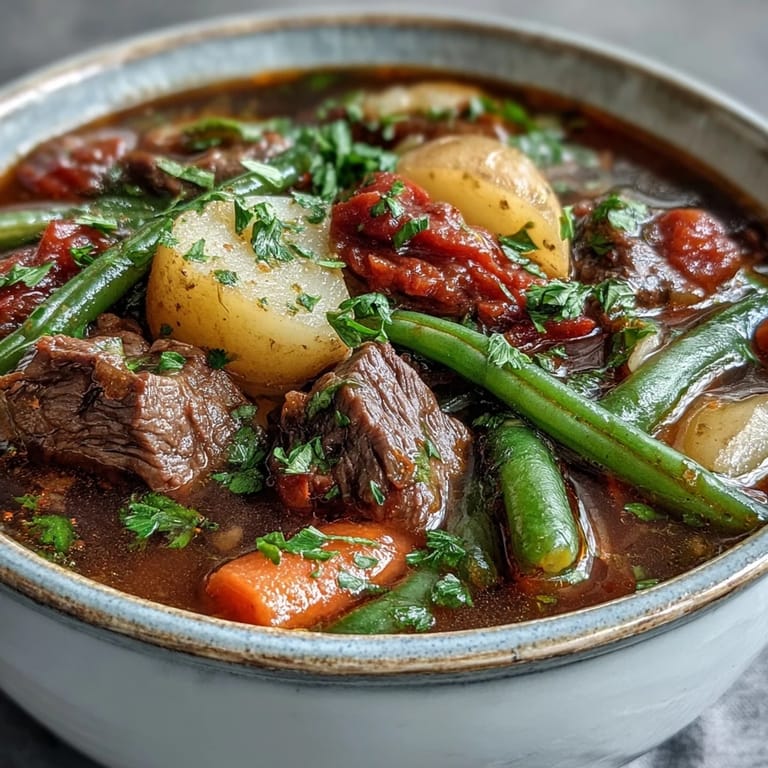
Save This is the soup you make when you want to feel like you're taking care of someone, including yourself. It's honest, it's warming, and it tastes like home.
Recipe Q&A
- → Can I use a different cut of beef for this soup?
Yes, you can substitute beef chuck with beef stew meat, bottom round, or brisket. Chuck is preferred for its marbling and tenderness after slow cooking, but any tough cut that benefits from braising will work well.
- → How can I make this soup in a slow cooker?
Brown the beef and sauté the vegetables as directed, then transfer everything to a slow cooker. Cook on low for 6-8 hours or high for 3-4 hours. Add the peas during the last 30 minutes of cooking.
- → Can I freeze this soup for later?
Yes, this soup freezes beautifully for up to 3 months. Cool completely before transferring to freezer-safe containers. Note that potatoes may become slightly grainy after freezing, so consider undercooking them slightly or adding fresh when reheating.
- → What vegetables can I substitute or add?
Feel free to customize with turnips, sweet potatoes, butternut squash, or corn. You can also add cabbage, mushrooms, or bell peppers. Just maintain similar cooking times by adding harder vegetables early and tender ones near the end.
- → How do I thicken the soup if it's too watery?
To thicken, mash some of the potatoes against the side of the pot, or mix 2 tablespoons of cornstarch with cold water and stir into the simmering soup. Alternatively, simmer uncovered for an additional 15-20 minutes to reduce the liquid naturally.
- → Can I make this soup ahead of time?
Absolutely! This soup actually improves in flavor when made a day ahead. Store in the refrigerator and reheat gently on the stovetop. You may need to add a splash of broth when reheating as it thickens while sitting.